
When you look across a wide mix of assets, what matters isn’t any single return. It’s the relationships. Markets don’t just move, they organize. And right now, the tape is telling me a new organizing principle is snapping back into place: rates down leads to tech up, capex metals up, war hedge fading, and risk-on behaving… but selectively.
That “selective” part is key. Its the difference between a durable regime and a blow-off.
The cluster that’s coming back
Correlations are tightening into a cluster again, the kind of cluster that lets you anticipate the next move, because the market starts moving like a system.
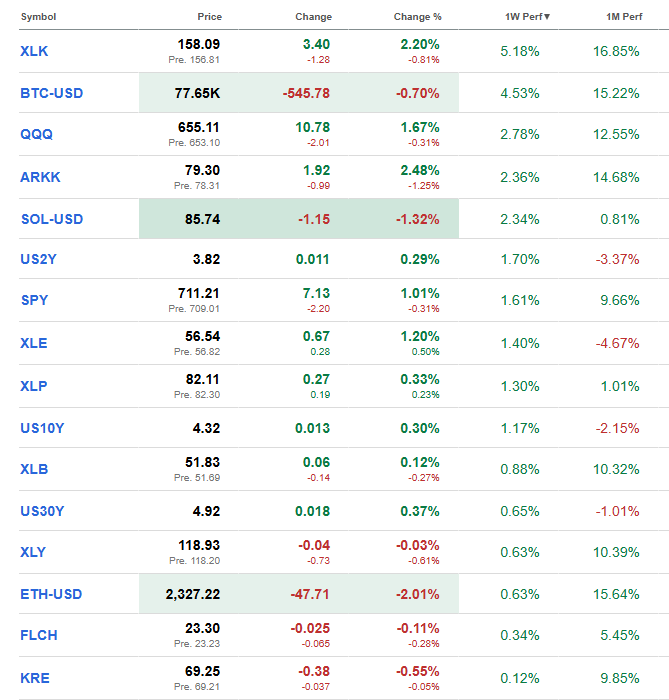
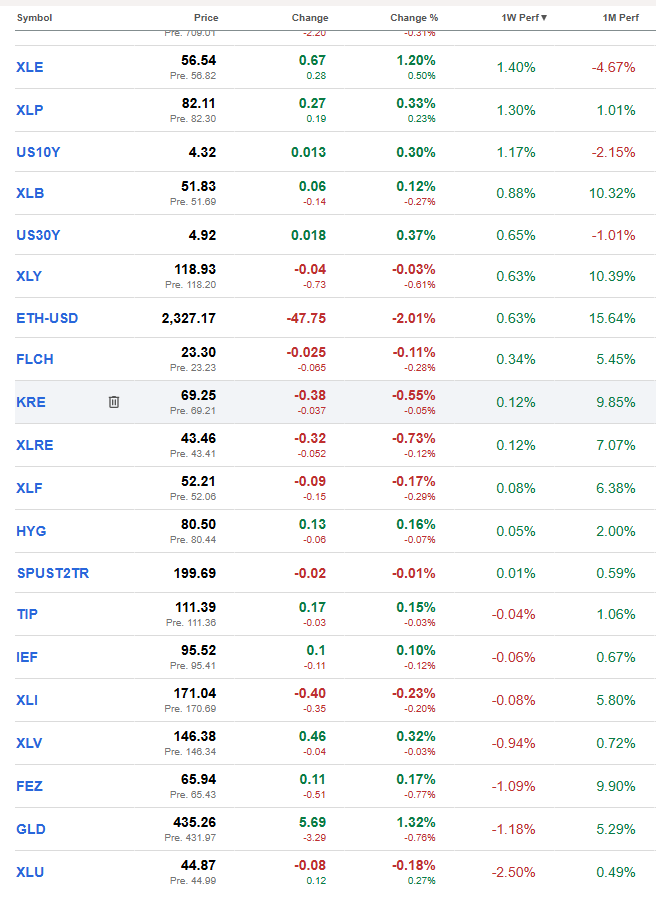
First: the duration trade is back. Tech and duration-sensitive assets have ripped over a month, while the long end has not confirmed higher yields, which tells you the market thinks the rate pressure has eased. That’s the old, reliable negative beta: when yields stop rising, tech breathes. If that relationship holds, the market is saying “we can pay for growth again.”
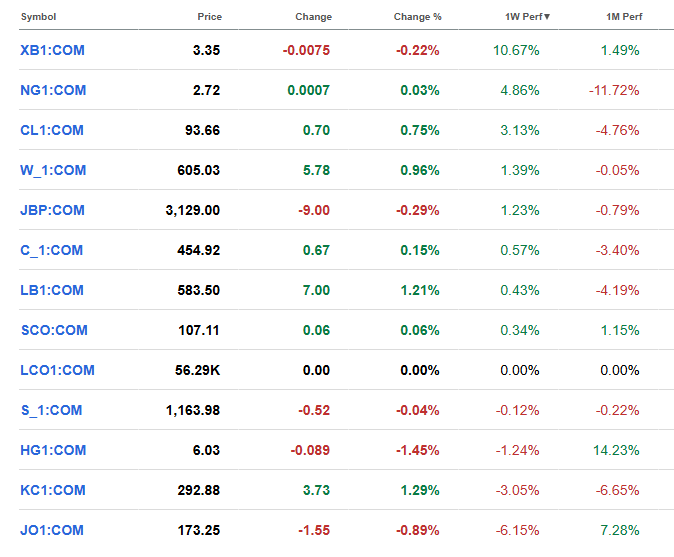
Second: copper up while oil down is not inflation, it’s capex. When you see copper and materials bid while crude and energy fade, that’s the market distinguishing between two stories:
- not “everything is getting more expensive,”
- but “we’re building.”
Electrification, grids, AI infrastructure, the real bottlenecks. It’s the “build, not bid” regime showing up in price.
Third: crypto is risk-on, but it’s not a mania. Bitcoin and Ethereum up while Solana lags is the same pattern you see in equities when concentration rises: leaders get paid, froth doesn’t. In true, broad risk-on, the junk and the laggards catch up hard. When they don’t, it’s telling you positioning is still cautious, quality-biased, and liquidity-sensitive.
So that’s the cluster: rates relief + capex buildout + selective risk appetite.
The one-week tape: the market is now “checking the work”
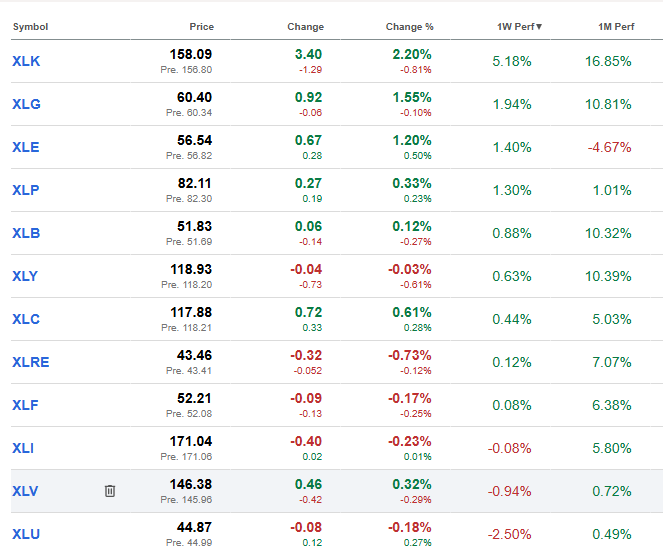
Here’s where I switch from “what happened” to “what happens next.”
The one-week tape looks like a counter-move, not a reversal: oil and energy are bouncing after a weak month, utilities are soft, and tech is still positive but coming off a big run. That’s the market doing what it always does after a clean rotation: it pauses, it mean-reverts, it tests whether the old leaders can reassert.
This is where you learn if the last month was a regime shift or just a positioning squeeze.
If crude and yields can push higher and stay higher, and you start to see breadth and credit deteriorate, thats your first crack in the war premium is being sold, rates pressure is easing story. If they can’t, if oil fades quickly and yields stay contained, then the dips in growth and buildout get bought.
Tie-in to the bigger story we’ve been building
This tape is not random, it’s coherent with the narratives weve been tracking.
- The “compute glut” story looks wrong because the market is still paying for throughput: semis and AI infrastructure are bid. That’s the market saying capex is real, not theoretical.
- The war premium is fading unless it escalates materially: oil and energy down over the month while growth rallies is the market voting “headline risk” rather than “sustained flow disruption.”
- Scarcity is shifting from financial to physical: copper/materials strength alongside energy fade points to bottlenecks in electrons, grids, and buildout.
That’s why something like IREN making sense in the mosaic isnt a one stock story, it’s the market pricing power as the limiting reagent in the AI cycle.
The conditional playbook
I’m not here to predict. I’m here to tell you what would make me change my mind.
Scenario A: the risk-on burst was a blow-off
If oil resumes its uptrend, yields back up, and credit/breadth start deteriorating, then the last month’s rally starts to look like a fast rotation that overshot. In that world, tech leadership narrows or rolls, and you want more defense and more cash-like optionality.
Scenario B: the regime shift is real
If oil stays heavy and yields remain contained, then the market keeps rewarding the buildout complex: tech, capex metals, and select industrial infrastructure. In that world, you buy dips rather than chase breakouts.
The tell is simple: does crude rally on bad news and hold, or does it spike and fade? That’s your lie detector for whether the war premium is coming back.
The dashboard: four spreads that tell you the regime
If you want the simplest monitoring map — not trade recommendations, just the regime gauges — it’s these:
- XLK / XLE: growth leadership vs war/energy hedge
- Copper / Oil: electrification-capex vs geopolitical energy shock
- BTC / SOL: quality risk-on vs speculative beta
- KRE / XLF: stress in the marginal plumbing vs broad financial confidence
When these move together, you’re in a coherent regime. When they diverge, you’re in transition, and transitions are where you either get paid for being early or punished for being loud.
Closing thought
Right now the market is saying: rates pressure eased, war hedge fading, capex buildout alive, but risk appetite is selective. The next move depends on whether oil and yields can reassert. Until then, respect the cluster, watch the spreads, and let the tape tell you when it’s lying.






Leave a Reply